
Unvaccinated Dog Bite Sparks Renewed Call for Responsible Pet Ownership
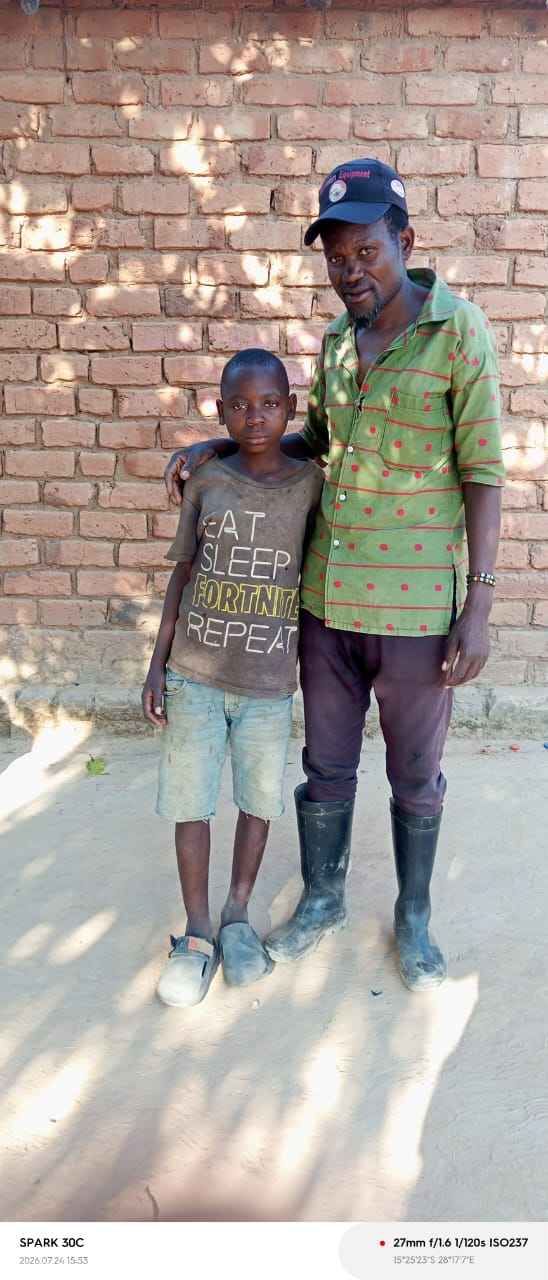
What began as an ordinary day of learning to herd goats nearly turned tragic for a 14-year-old boy from William-Nkhoma Village in Traditional Authority Chindi, Mzimba District in Northern Malawi, after three dogs attacked him while he was trying to graze his family's livestock.
The incident, which left the Standard 5 pupil requiring urgent anti-rabies treatment, has become a powerful reminder of the dangers posed by unvaccinated dogs and the critical need for responsible dog ownership.
The boy, the second of four children belonging to Mr. Jumbe Banda from Mbalachanda Extension Planning Area, was taking goats to nearby grazing fields when about three dogs from neighbouring households became agitated. The barking quickly escalated into an attack as three dogs charged at the child.
After the incident, Banda quickly sought confirmation from the dog owners about the animals' vaccination status and discovered that one of the dogs responsible for biting his son had not been vaccinated against rabies, highlighting the serious danger posed by unvaccinated dogs.
"We acted immediately by washing the wounds before taking him to the hospital because every minute counts after a dog bite," Banda explained, emphasizing that prompt first aid and medical attention were essential in protecting his son's life.
The boy received his first dose of the anti-rabies vaccine at Euthini Hospital before completing the remaining two doses at Katete Health Centre, which was closer to the family's home.
Although relieved that his son recovered, Banda said accessing treatment came at a significant personal cost. With no financial support available for transport, he spent more than MWK 40,000 from his own resources to ensure the boy completed the vaccination schedule.
"I did not hesitate because my child's life was at stake," Banda said, adding that failing to complete the treatment could have had devastating consequences. He expressed gratitude to health workers for providing the vaccines that helped save his son's life.
The boy has since fully recovered and returned to school in good health.
While the family is thankful for the positive outcome, Banda believes the incident should serve as a wake-up call for dog owners throughout the community.
He urged owners to treat dogs with the same care they give other livestock, stressing that regular feeding, proper shelter and timely rabies vaccination are all essential responsibilities. He warned that rabies remains one of the world's deadliest diseases once symptoms develop, but it is entirely preventable through vaccination.
Banda observed that although some owners had vaccinated their dogs, others had failed to do so. He pointed out that it was an unvaccinated dog that bit his son, demonstrating how one neglected animal can put an entire community at risk.
He further noted that William Nkhoma Village covers a wide area with a large dog population, making it difficult for previous vaccination campaigns to reach every household. He called for continued support to expand rabies vaccination so that no dog is left unprotected.
"Vaccinating dogs protects entire communities," Banda emphasized. "When owners take responsibility for their animals, they prevent unnecessary suffering, save families from expensive medical treatment, and help eliminate the threat of rabies."
The community has already benefited from previous support through CCEI, which supplied vaccines and resources for mass dog vaccination campaigns. However, Banda believes sustained efforts are needed to reach every dog in the area and reduce future cases of dog bites.
The incident underscores the importance of responsible dog ownership as the first line of defence against rabies. Ensuring that dogs are vaccinated, well cared for, and responsibly managed not only protects the animals themselves but also safeguards children, families, and entire communities.
To strengthen rabies prevention efforts, CCEI is implementing the Action Towards the Elimination of Rabies Project (ATERP), an initiative that aims to vaccinate over 40,000 dogs against rabies. The project seeks to improve vaccination coverage, promote responsible dog ownership, and reduce the risk of rabies transmission, helping create safer and healthier communities for both people and animals. (Picture: Jumbe Banda and his son who was bitten by dogs-Source: Jumbe Banda)